
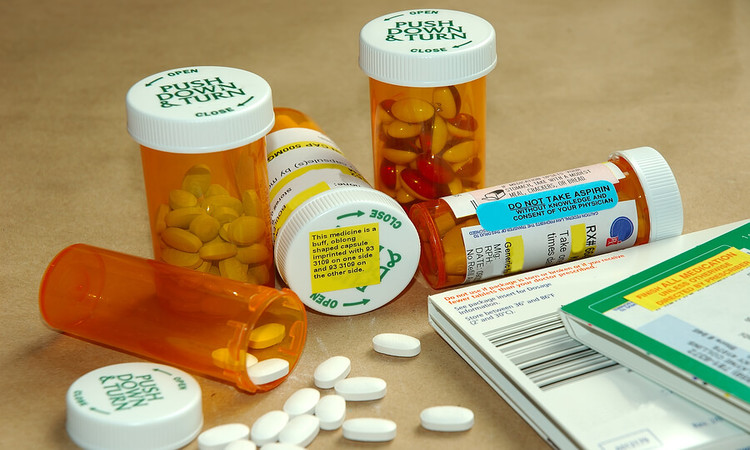
Prescription medications have helped millions of people manage pain, anxiety, sleep disorders, and other health conditions. Yet behind the benefits of modern medicine is an important concern: what happens when commercial interests, prescribing practices, and patient needs do not align? Prescription drug addiction is a complex health issue, and while no single factor explains why it develops, the pharmaceutical industry’s influence on medication awareness and use deserves careful attention. Understanding this relationship can help patients make informed decisions, recognize potential risks, and seek support before medication misuse begins to affect their lives.
The pharmaceutical industry plays an essential role in developing treatments and making them available to people who need them. However, medications with dependence or misuse potential require responsible promotion, clear safety information, and ongoing medical oversight. When patients receive incomplete information or underestimate the risks associated with certain prescriptions, the consequences can extend beyond physical health. Mental well-being, family relationships, employment, and everyday responsibilities may also suffer.
Understanding the Pharmaceutical Industry’s Role in Prescription Addiction
Prescription drug addiction cannot be attributed to pharmaceutical companies alone. Personal health history, genetics, mental health, medication characteristics, and individual circumstances all influence the risk of problematic use. Nevertheless, the pharmaceutical industry helps shape the environment in which medications are developed, promoted, prescribed, and understood.
The Influence of Pharmaceutical Marketing
Pharmaceutical marketing often highlights the potential benefits of medication. Advertisements and promotional materials may emphasize pain relief, improved concentration, reduced anxiety, or better sleep. These benefits matter to people experiencing difficult symptoms. However, patients also need balanced information about side effects, tolerance, dependence, interactions, and the possibility of addiction.
When the benefits receive more attention than the risks, people may develop unrealistic expectations about medication. They might assume that a prescription is automatically safe for long-term use simply because it was provided by a healthcare professional.
Responsible communication should help patients understand both what a medication can accomplish and what precautions may be necessary.
Commercial Interests and Prescribing Decisions
Pharmaceutical companies operate within a commercial environment, but healthcare decisions should remain grounded in clinical evidence and individual patient needs. Promotional activity, industry-funded education, and product visibility can influence the broader conversations surrounding treatment options.
This does not mean that every medication recommendation is driven by profit or that every pharmaceutical company promotes unsafe practices. Rather, it reinforces the importance of independent medical judgment and transparent information.
Patients should feel comfortable asking their healthcare providers why a particular medication is recommended, how long it may be needed, and whether other treatment options are available.
How Prescription Medication Can Become a Source of Dependence
A medication can begin as an appropriate part of medical treatment and gradually become difficult to manage. This process may happen even when someone initially follows professional instructions.
Certain prescription drugs affect the central nervous system and the brain’s reward pathways. Repeated exposure can lead to changes in how the body responds to a medication.
Tolerance and Physical Dependence
Tolerance develops when the same dose produces a reduced effect over time. Someone taking medication for pain or anxiety may begin feeling that the original dose no longer provides the same relief.
Physical dependence occurs when the body adapts to repeated medication use and experiences withdrawal symptoms when the dose is reduced or stopped.
These developments are not automatically signs of addiction. Physical dependence can occur even when a person follows medical instructions. Addiction involves a more complex pattern, including cravings, difficulty controlling use, and continued medication misuse despite harmful consequences.
Patients who notice reduced effectiveness should speak with their prescriber rather than increasing their dose independently.
Prescription Drug Categories That Require Awareness
Several types of prescription medication have a recognized potential for misuse or dependence.
- Opioids: These medications can provide important relief for certain types of severe pain, but misuse can lead to dependence, addiction, and overdose.
- Benzodiazepines: Prescribed for certain anxiety disorders and related conditions, these medications can cause physical dependence. Suddenly stopping them may lead to serious withdrawal complications.
- Prescription stimulants: Often used to treat ADHD, stimulants can be harmful when taken in larger amounts than prescribed or used without medical supervision.
Understanding these risks does not mean avoiding necessary treatment. Instead, patients should work with qualified healthcare professionals to monitor medication use and discuss any concerns.
The Impact of Prescription Addiction on Mental Health
Prescription addiction can affect far more than physical health. It can change how people think, feel, manage stress, and interact with others. In many cases, mental health challenges and medication misuse influence one another.
Anxiety, Depression, and Emotional Distress
Some individuals begin relying on prescription medication because they are struggling with anxiety, chronic stress, depression, or emotional pain. Medication may initially provide relief, but misuse can create additional difficulties.
As dependence develops, a person may experience mood changes, irritability, disrupted sleep, increased anxiety, or difficulty concentrating. They may also become increasingly worried about running out of medication or facing situations without it.
This can create a cycle in which emotional distress encourages further medication use, while problematic medication use makes emotional health harder to manage.
Isolation and Strained Relationships
People experiencing prescription addiction may hide their medication habits because they fear criticism or judgment. They might withdraw from friends, avoid family conversations, or become less involved in activities they previously enjoyed.
Loved ones may notice changes in mood, behaviour, financial circumstances, or daily responsibilities. These changes can create tension and reduce trust within the household.
Recovery should therefore address not only medication use but also the emotional and social effects of addiction. Family involvement, when appropriate and welcomed, can help rebuild communication and strengthen long-term support.
What Patients Can Do to Protect Themselves
Patients are not responsible for correcting every weakness in the pharmaceutical system. However, they can take practical steps to become more informed and involved in their healthcare decisions.
Ask Questions Before Starting Medication
Before beginning a prescription, ask the healthcare provider:
- What condition is this medication intended to treat?
- What benefits should I realistically expect?
- Can it cause tolerance or physical dependence?
- What side effects should I watch for?
- How long should I take it?
- Could it interact with other medications or substances?
- Are nonmedication treatments or other alternatives appropriate?
These questions encourage open communication and help patients understand their treatment options.
Monitor Medication Use and Report Concerns
Follow the prescribed instructions and keep an updated list of medications, including over-the-counter products and supplements. Never take another person’s prescription or change a dose without medical guidance.
If medication use begins affecting sleep, mood, relationships, or daily responsibilities, discuss these changes with a healthcare professional. Running out of medication early, repeatedly thinking about the next dose, or struggling to reduce use may also indicate that an assessment is needed.
Importantly, do not suddenly stop certain medications without professional advice. Withdrawal from some prescriptions can be dangerous and may require supervised medical care.
Why Accountability Matters Across the Healthcare System
Reducing prescription addiction requires more than asking individual patients to make better choices. Pharmaceutical companies, healthcare providers, regulators, and treatment professionals all have important responsibilities.
Responsible Pharmaceutical Communication
Medication information should present benefits and risks clearly. Patients deserve accurate explanations of potential side effects, dependence, interactions, and appropriate treatment duration.
Companies should communicate product information responsibly, while healthcare professionals should evaluate treatment recommendations independently and consider each patient’s circumstances.
Better Education and Early Intervention
Public education can help people recognize the difference between appropriate medication use, physical dependence, and addiction. It can also reduce the stigma that prevents individuals from discussing their concerns.
Healthcare providers can support early intervention by reviewing medication use regularly, identifying possible warning signs, and discussing alternatives when appropriate.
When patients, families, and professionals communicate openly, medication-related problems may be identified before they cause more serious harm.
Prescription Addiction Treatment: Finding the Right Support
When prescription medication becomes difficult to control, professional treatment can help individuals address both substance use and the challenges contributing to it. Recovery should not be based on blame. It should begin with an honest assessment of the person’s medical history, emotional health, and individual needs.
Inpatient Treatment for Intensive Support
Inpatient addiction treatment may be appropriate for individuals who need a structured environment, close supervision, or support with complex medical and psychological concerns.
Depending on the program, care may include medical monitoring, withdrawal management, individual counselling, group therapy, mental health services, and relapse prevention planning.
A supervised setting can help individuals focus on recovery while receiving support for the physical and emotional challenges associated with prescription drug addiction.
Outpatient Treatment for Ongoing Recovery
Outpatient treatment allows individuals to receive professional care while continuing to manage many everyday responsibilities. Services may include individual counselling, group support, family involvement, mental health treatment, and regular recovery planning.
Some individuals begin with outpatient care, while others transition to it after completing a more intensive treatment program. The appropriate level of support should be determined through a professional assessment.
Holistic, Faith-Based, and Individualized Approaches
Long-term recovery involves more than changing medication habits. It also means developing healthier coping strategies, rebuilding confidence, and improving overall well-being.
Holistic support may include mindfulness, stress management, physical activity, healthy routines, and nutrition education. These practices can complement clinical treatment and help individuals manage everyday challenges.
For people who find strength in spirituality, faith-based support may offer a sense of purpose, encouragement, and connection. However, personal beliefs and preferences differ. A recovery plan should respect those differences while maintaining appropriate medical and mental health care.
Most importantly, treatment should be individualized. Each person’s experiences, health concerns, recovery goals, and support needs deserve careful consideration.
Moving Toward a Healthcare System That Puts Patients First
The pharmaceutical industry has an important place in modern healthcare, but innovation and commercial success should never overshadow patient safety. Prescription medications can improve lives, yet their benefits must be supported by responsible communication, informed prescribing, and appropriate monitoring.
Prescription addiction is not simply a matter of poor decisions. It can involve complex medical, psychological, and social factors that require professional attention. When medication misuse begins affecting mental health, relationships, or daily life, early support can make a meaningful difference.
If you are concerned about your own prescription medication use or the well-being of someone close to you, consider speaking with a qualified healthcare professional about available options. Inpatient care, outpatient counselling, mental health treatment, and individualized recovery support can help address the challenges of prescription addiction.
Patients deserve care that puts their health before commercial interests. And anyone struggling with prescription medication deserves the opportunity to receive informed, respectful support. Reaching out for help can be the first step toward restoring stability, rebuilding confidence, and creating a healthier future.